
The Cridge Brain Injury Services has long embraced the motto “do with, not for.” We honour survivors’ right to autonomy, dignity, and agency, recognizing that each person’s journey of rehabilitation, recovery, and redesign is their own, and that we are privileged to walk alongside them. Our services focus on exploring, developing, and adapting tools and strategies that improve daily living and quality of life, and that help people keep the highest possible level of independence after brain injury.
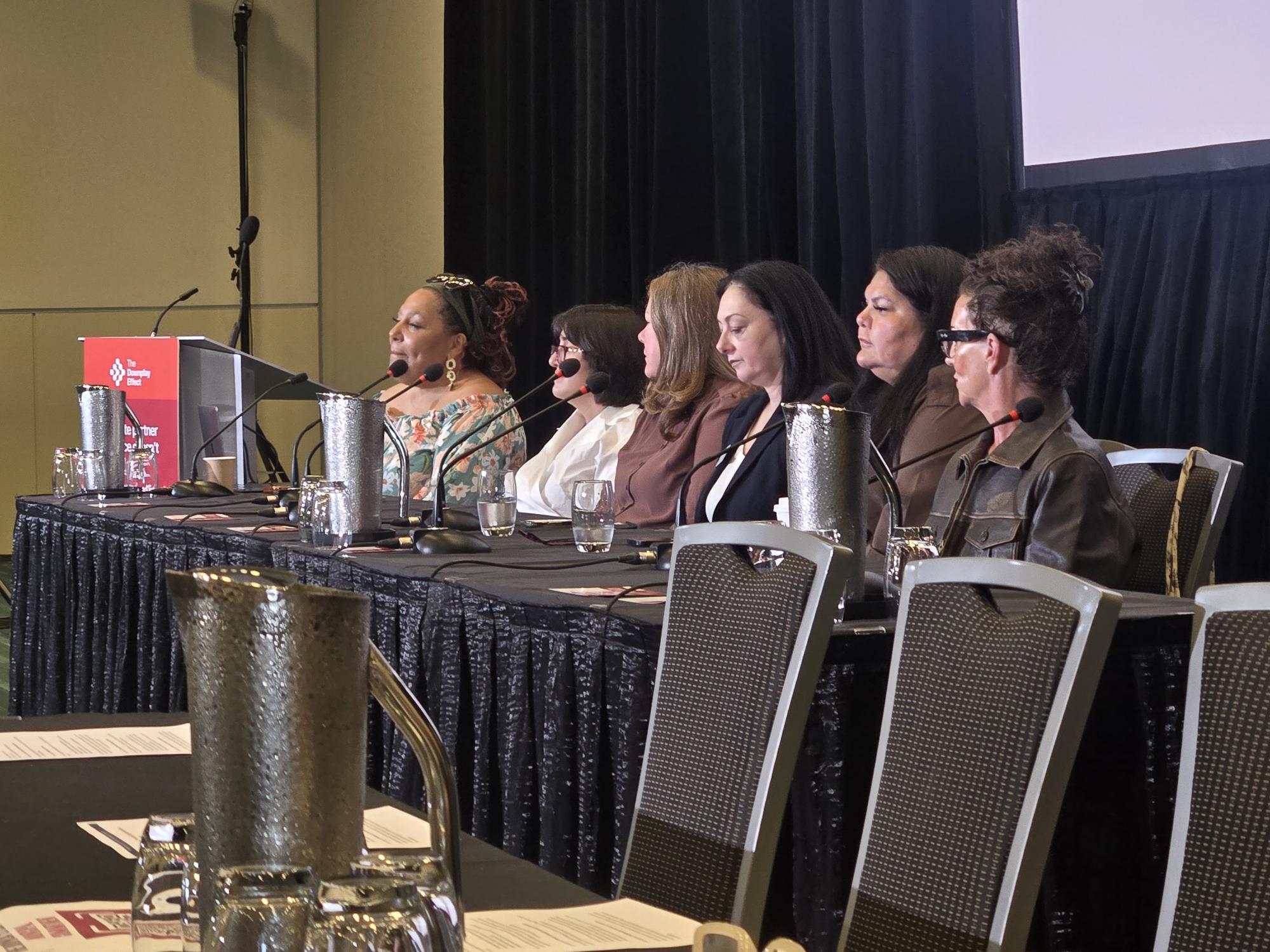
For women in our Intimate Partner Violence and Brain Injury program, “side-by-side” has taken on a new meaning. We have hired our first Brain Injury Community Support Worker embedded directly within The Cridge Second Stage Program and The Cridge Transition House for Women. To our knowledge, it is the first role of its kind in the world!
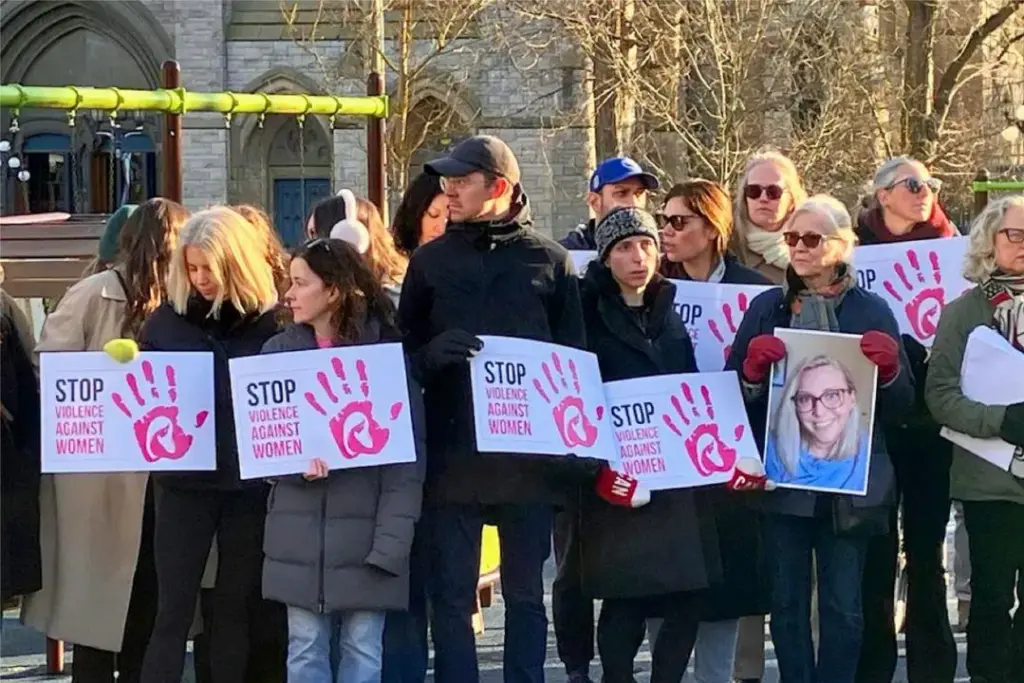
We know that brain injury is common among women accessing these services. While seeking safety and rebuilding their lives, many are also navigating that uncertainty with a brain changed by both physical and psychological trauma. Women in The Cridge Second Stage Program and The Cridge Transition House for Women will now have integrated support from both an anti-violence worker and a brain injury support worker. As a woman receives support to work through protection orders and custody hearings, she can also get help with the demanding tasks of daily life if she needs it, like coordinating medical appointments, refilling medications, managing her schedule, and grocery shopping. These tasks can feel overwhelming when your brain works differently than it did before.
Please join us in welcoming Olivia Fillier to this new role. Olivia joins our Brain Injury Services team, working hand in hand with Women’s Services, and represents a groundbreaking step forward in how we support women fleeing violence.
Grounded in a commitment to walking alongside women, Olivia shares, “I am grateful for the opportunity to raise awareness of the unseen impact of brain injury in intimate partner violence, while supporting, learning from, and standing alongside women whose courage drives change.” Her work will help ensure women receive specialized support that recognizes and responds to the often-overlooked effects of brain injury.